CORRIDOR A · DOWNTOWN
Corridor A · Urban TransitSystem Online

One lane.

12,000 riders per hour.

Articulated electric buses in dedicated center lanes, moving more people than a freeway — without a single mile of new rail.

35,000
riders/hr
Max Capacity
40%
faster vs. mixed traffic
Speed Advantage
10×
lower capital cost
Cost vs. Rail
166
across 6 continents
Cities Deployed
Before / After

Drag the line.
See the difference.

Every panel shows the same GPS coordinate — before the Corridor, and after. Pull the handle to reveal what dedicated lanes actually look like.
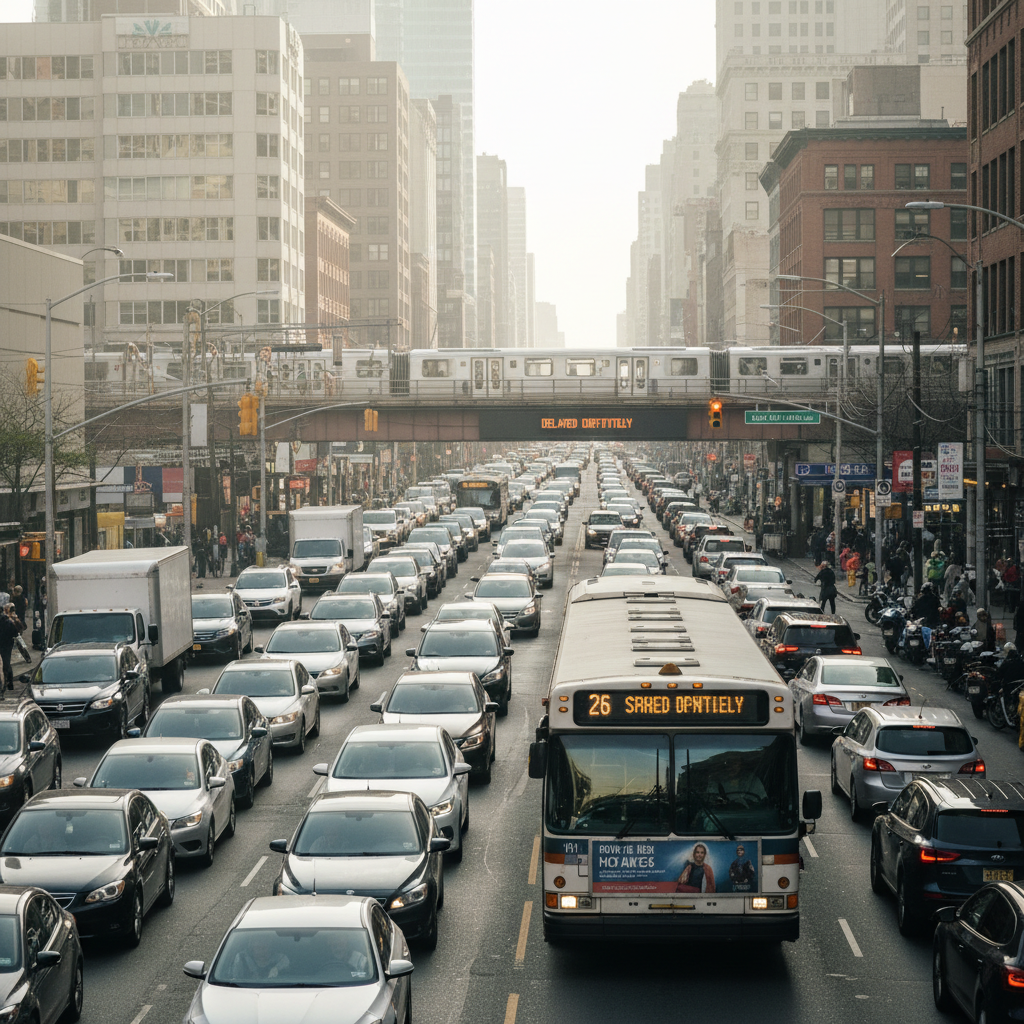
Congested urban boulevard with cars stuck in traffic, diesel buses delayed in mixed traffic lanes
Today · 45 min
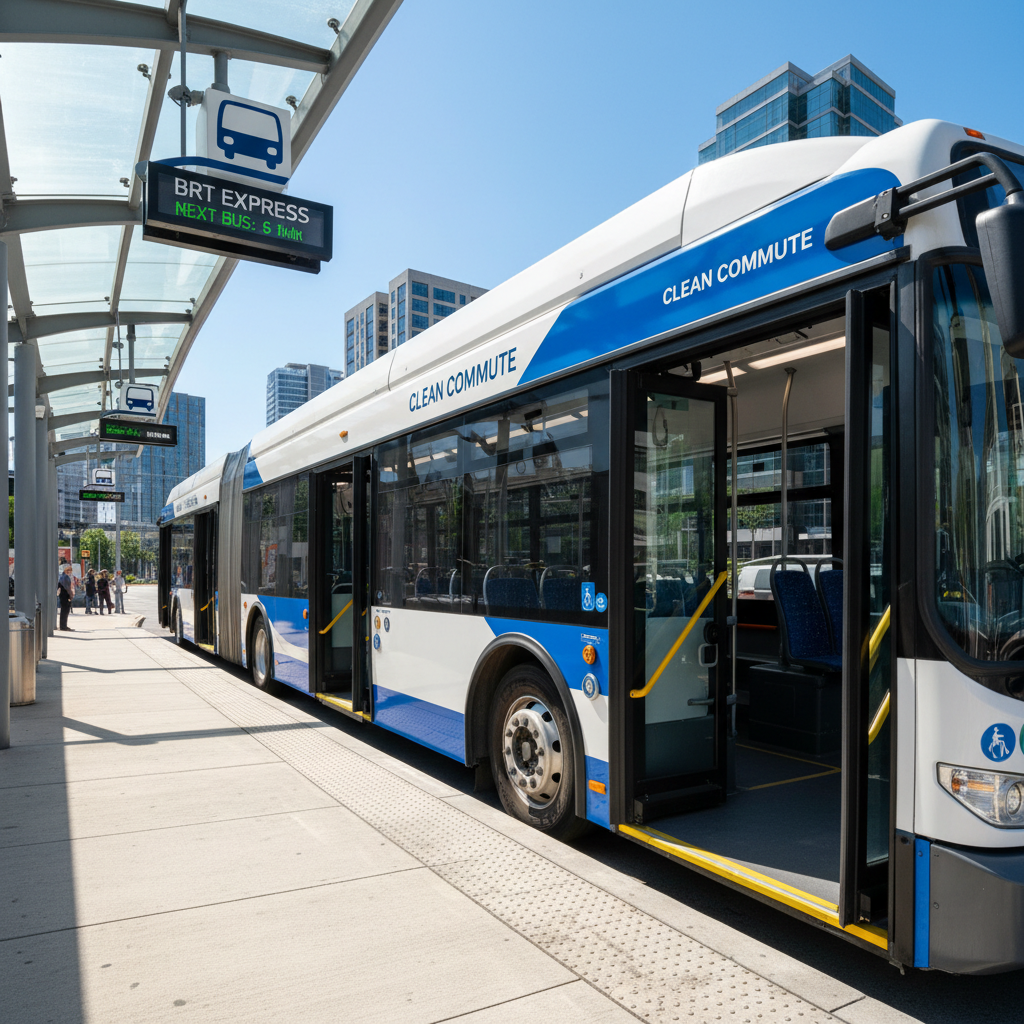
Modern BRT corridor with dedicated center lanes, level boarding platforms and articulated electric bus
Corridor · 27 min

← Drag handle to compare →

01 · Street Level

The same boulevard.

One transformation.

Today, buses share lanes with 1,200 cars per hour. Signal delays stack. A 3-mile trip takes 45 minutes. The Corridor dedicates the center lane — no turns, no parking, no compromise.

40%
travel time reduction
Grand Rapids Silver Line, 2014
Performance Data

Numbers city planners
can take to a hearing.

Every metric sourced from deployed BRT systems. Not projections — measured outcomes from corridors already running.
35,000
riders / hour / direction
TransMilenio Peak Throughput
Bogotá's BRT matches metro capacity on a dedicated two-lane carriageway — no tunnels, no elevated structure.
40%
travel time reduction
Grand Rapids Silver Line
Route travel time dropped from 45 to 27 minutes after dedicated lanes opened in 2014. Ridership grew 2,300 riders per day.
115%
ridership growth in 2 years
Twin Cities BRT Network
7.2 million new rides from 2022 to 2024. BRT now carries 16% of all regional transit trips in the metro area.
10×
lower capital cost vs. LRT
Cost Advantage
BRT can be built using existing HOV lanes and parking rights-of-way. No tunneling, no elevated stations, no decade-long construction.
$1.5M
annual passenger time savings
Austin MetroRapid
95,000 passenger hours saved per year on a single corridor. At $15.85/hour average wage, that's real economic value per mile.
66%
of federal CIG funding
Dedicated to BRT Projects
As of Jan 1, 2025, nearly two-thirds of FTA Capital Investment Grant funding targets BRT under the Small Starts category.
Live Corridor A — Departures
COR-ADowntown Transit Center
Arriving
COR-AUniversity District
4 min
COR-BMedical Campus
7 min
COR-ADowntown Transit Center
12 min
12,000 riders per hourzero tailpipe emissionsdedicated center lanesall-door boardingreal-time arrivalssignal priority at every intersectionarticulated 60-ft vehicles10× lower cost than rail
Modern articulated electric bus at a BRT station with level boarding platform, doors open
60-ft Articulated Electric

A vehicle designed for the corridor.

New Flyer 60-foot articulated buses — 1.5× the capacity of standard buses, fully electric, with doors on both sides. Boarding from the platform means no steps, no fumbling for fares, no waiting.
150
seated + standing capacity
0
emissions at point of use
3
door pairs for simultaneous boarding
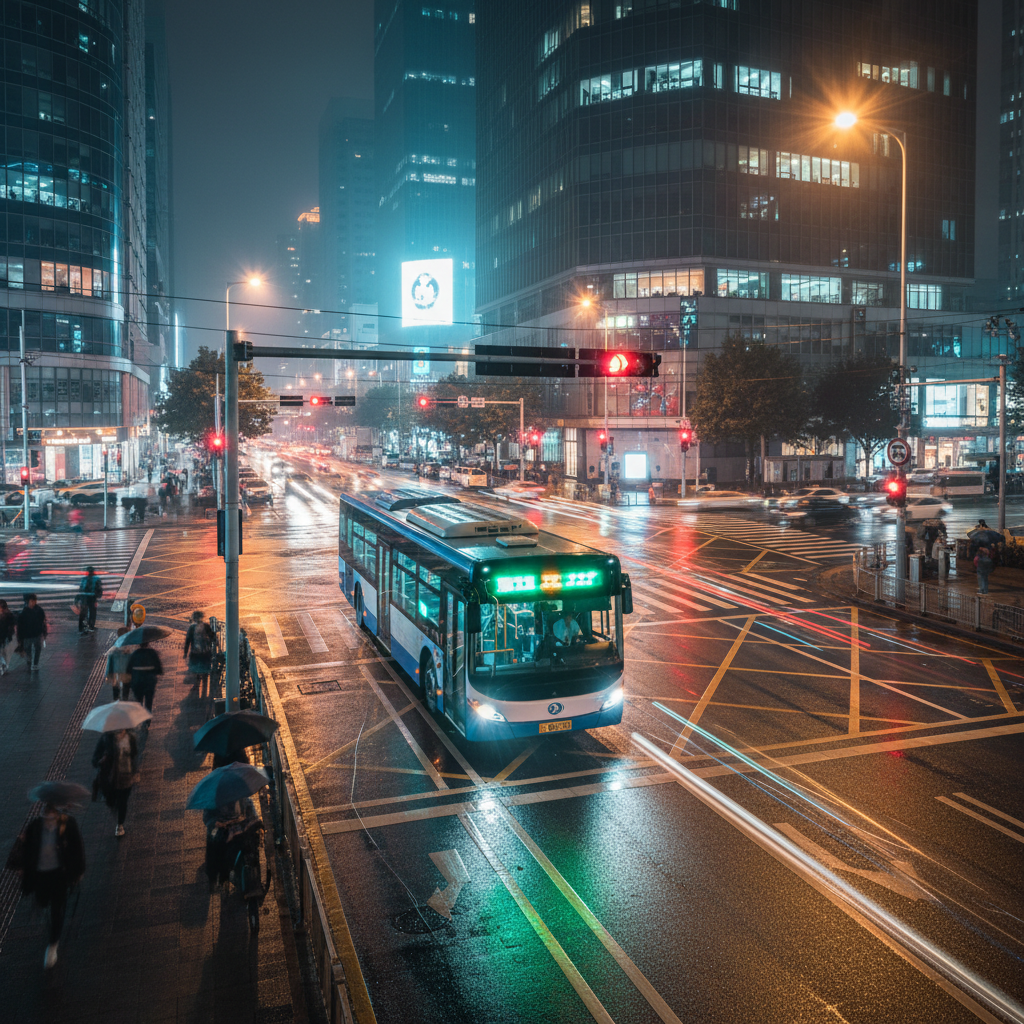
Urban intersection at night showing traffic signal priority system with BRT bus receiving green light
Transit Signal Priority

The light changes for the bus.

Transit Signal Priority technology detects approaching vehicles and extends green phases — or shortens red — at every intersection. The bus never stops for a red light it doesn't have to.

12s
average dwell time (all-door boarding)
5 min
peak frequency headways
99.5%
on-time performance target
Network Coverage

One corridor is the start.
165 miles is the plan.

Twelve lines. Every major arterial. All-day frequency. The Twin Cities model proves the network effect — each new corridor multiplies the value of every existing one.

CORRIDOR ACENTRAL INTERCHANGEDOWNTOWNActive CorridorPlanned Lines
12lines planned
165mitotal network
2030target completion
Federal Funding Ready · FTA Small Starts Eligible

The case is already made.
The corridor is ready.

Explore the full engineering plan, ridership projections, and federal funding pathway for your city's first dedicated BRT corridor.

FTA Capital Investment Grants166 cities deployed32.2M daily riders worldwide